
How to Plan Medspa Holiday Promotions Without Relying on Discounts

Medspa holiday promotions work best when they are planned in October, built around packages and gift cards, and launched to existing patients before Black Friday on November 27. Clinics that wait until November usually end up with only one option left: a discount. Here is the October-to-December approach we use with medspa clients at BOWO Creative in Toronto to fill the holiday calendar without training patients to wait for the next sale.
What Are Your Patients Actually Searching For?
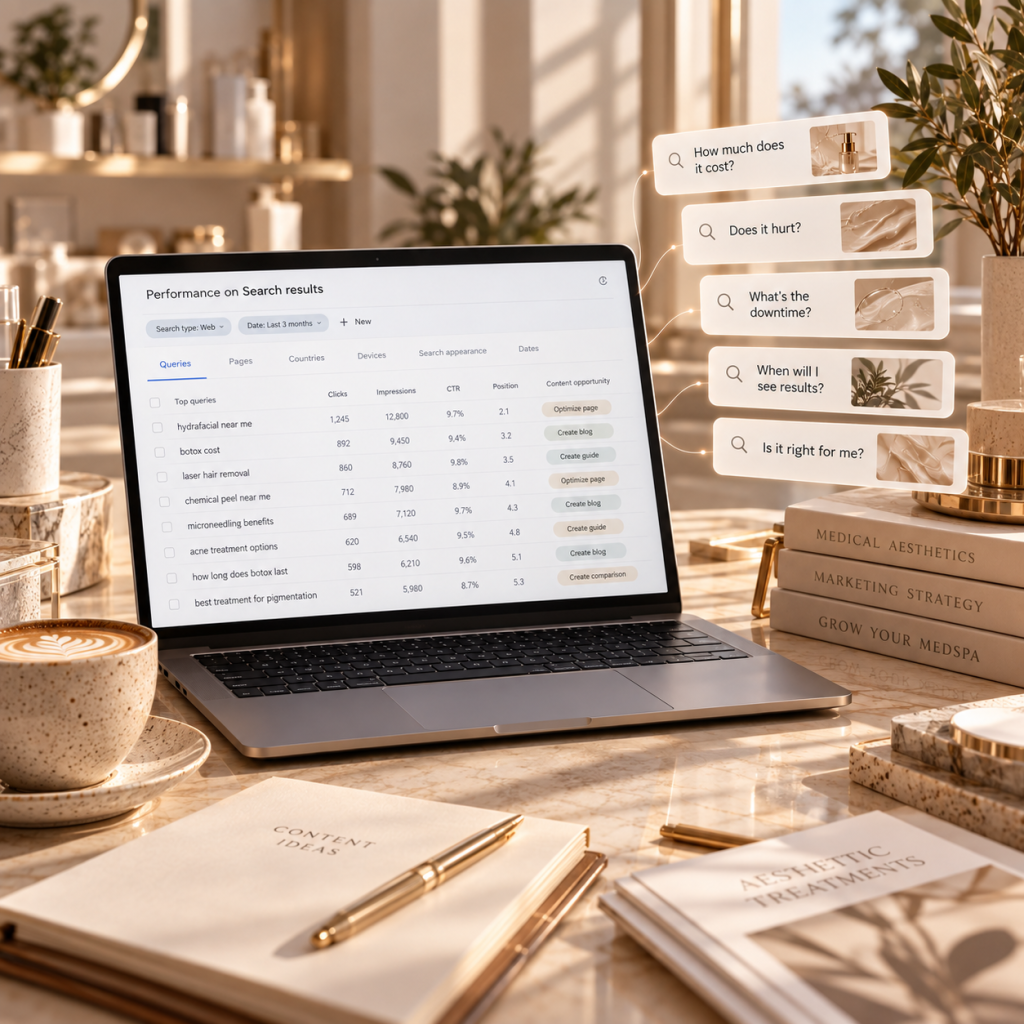
Your clinic just added a new device. It’s the kind of thing worth telling people about, sleek, new, genuinely exciting. So you post about it. A photo, a quick caption, maybe a short video showing how it works.
Meanwhile, someone scrolling past that post has a completely different set of questions. Does it hurt? How much does it cost? How much downtime will I need? Is this even right for me? When will I actually see results?
None of that shows up in the post. Not because the post was wrong to make, but because the questions patients actually have rarely match the announcements a clinic wants to make.
Why More Leads Won’t Fix a Medspa That Can’t Convert Them
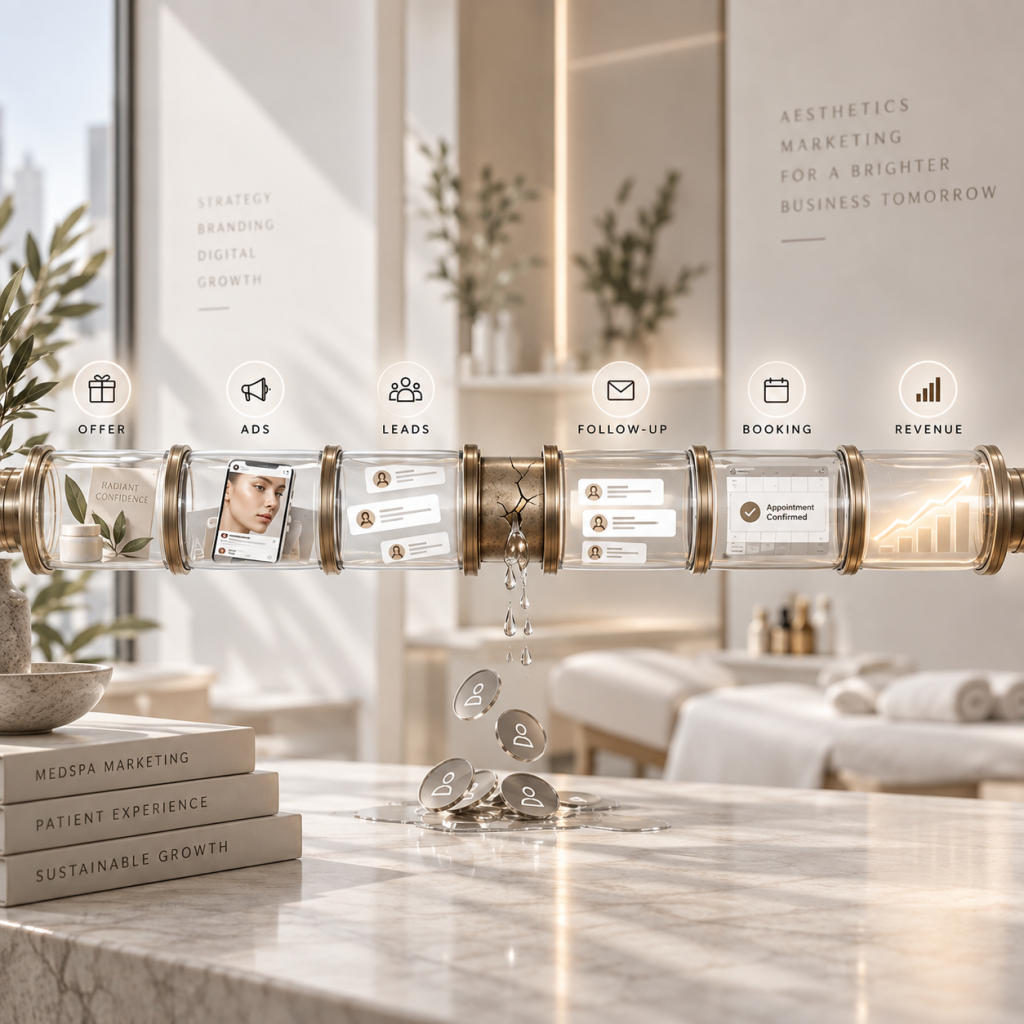
A clinic doubles its ad spend. Leads double right along with it. Three months later, revenue has barely moved, and the owner concludes the ads stopped working.
The ads probably didn’t stop working. “We need more leads” is usually an incomplete diagnosis. A lead is only worth what happens to it inside the system it lands in, and more leads don’t fix that system. They just reveal, faster and more expensively, whether the system actually works.
How Fast AI SEO is Changing. One minute Reddit was your top referral source, the next it’s gone.
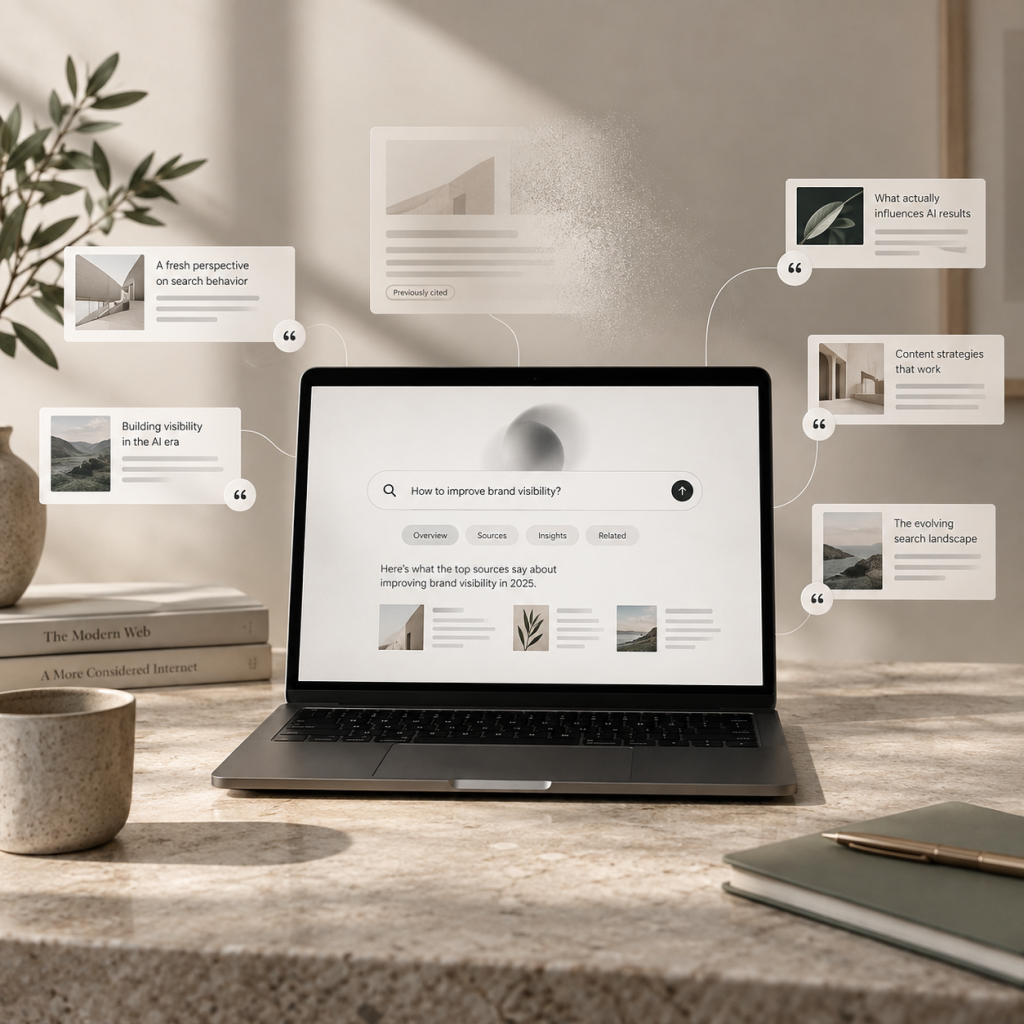
On August 8, OpenAI changed how ChatGPT runs its background searches. Within nine days, Reddit’s share of citations inside those searches fell from 3.8% to 0.52%. Over the same window, site-specific queries, meaning ChatGPT going straight to a particular domain instead of searching broadly, jumped from 0.37% to 16.8%. That’s an 86% drop in citation share in just nine days, with no public announcement to the sources affected.
