
As businesses begin planning for 2026, marketing leaders are asking an important question: what will actually matter next? With new tools, shifting consumer behaviour, and rising expectations, staying informed on upcoming marketing trends can help brands make smarter decisions and avoid costly missteps. While new tools and platforms continue to emerge, the biggest shifts are happening in how brands connect with people, not just where.
So, what should marketers actually pay attention to this year? Below are five marketing trends to watch out for in 2026 and more importantly, how they impact your strategy moving forward.
By now, AI is no longer a “nice to have.” In 2026, it’s built into nearly every part of marketing, from content creation to ad optimization and customer insights.
However, while AI is improving efficiency, it’s not replacing human thinking. Instead, the brands winning in 2026 are using AI as a support system, not a shortcut.
Why this matters:
Although AI can generate content quickly, audiences still crave originality, perspective, and emotion. As a result, human-led strategy paired with AI-powered execution is becoming the new standard.
What to focus on:
For years, marketing success was measured almost entirely by clicks, conversions, and ROAS. While those metrics still matter, 2026 is proving that trust is the real growth driver.
Consumers are more informed and more selective than ever. Because of this, they’re choosing brands that feel transparent, consistent, and values-driven.
Why this matters:
If people don’t trust your brand, no amount of performance marketing will save it. Therefore, credibility, authenticity, and long-term brand equity are becoming essential.
What to focus on:
Example: Glossier
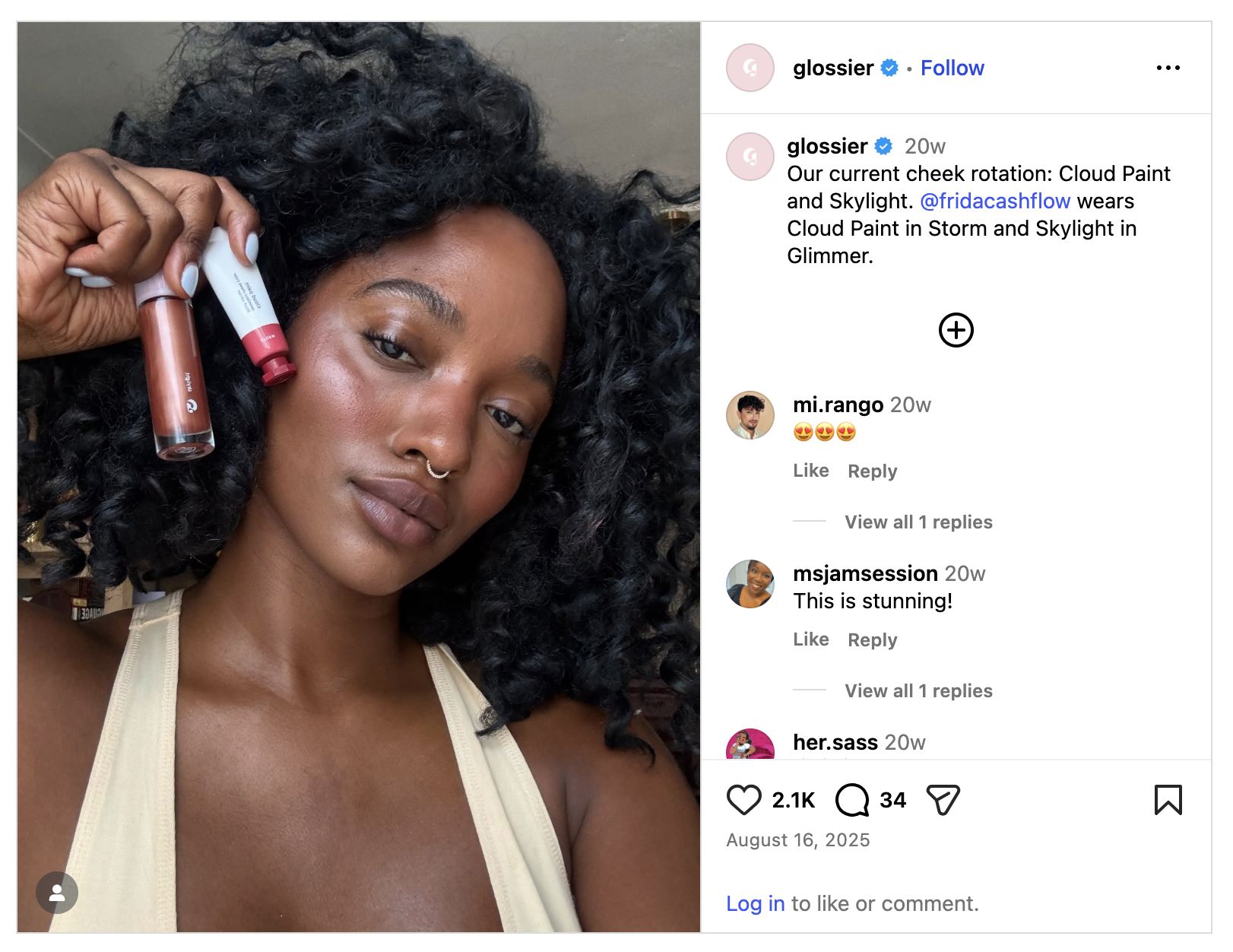
Beauty brands like Glossier built their early growth by showcasing real community content and involvement rather than just polished ads, and customers became advocates.
Short-form content still plays a role in visibility. However, in 2026, it’s no longer enough on its own.
Instead, successful brands are building content ecosystems, where short-form content drives attention, and long-form content builds trust and authority.
Why this matters:
While short videos get views, long-form content gets buy-in. As a result, brands that educate and add value are seeing stronger loyalty and engagement.
What to focus on:
Example: e.l.f. Cosmetics
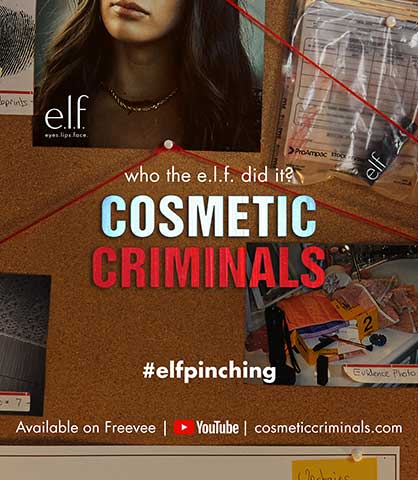


e.l.f. Cosmetics’ “Cosmetic Criminals” brilliantly shows how short-form content can spark interest in long-form storytelling. The brand utilized Instagram Reels, TikTok snippets, and social posts to tease each episode of this beauty-meets-true-crime documentary series, drawing audiences in and encouraging binge-listening. This strategy demonstrates how brands can capture audiences quickly with short-form content while fostering deeper engagement and loyalty through longer, more immersive storytelling
Rather than broadcasting messages, brands are shifting toward conversation and connection. In 2026, community-led marketing is no longer niche; it’s mainstream. This includes private groups, brand communities, creator partnerships, and interactive brand experiences.
Why this matters:
When people feel like they belong, they stay longer and advocate louder. Consequently, communities are becoming one of the strongest growth engines for modern brands.
What to focus on:
Example: Lululemon
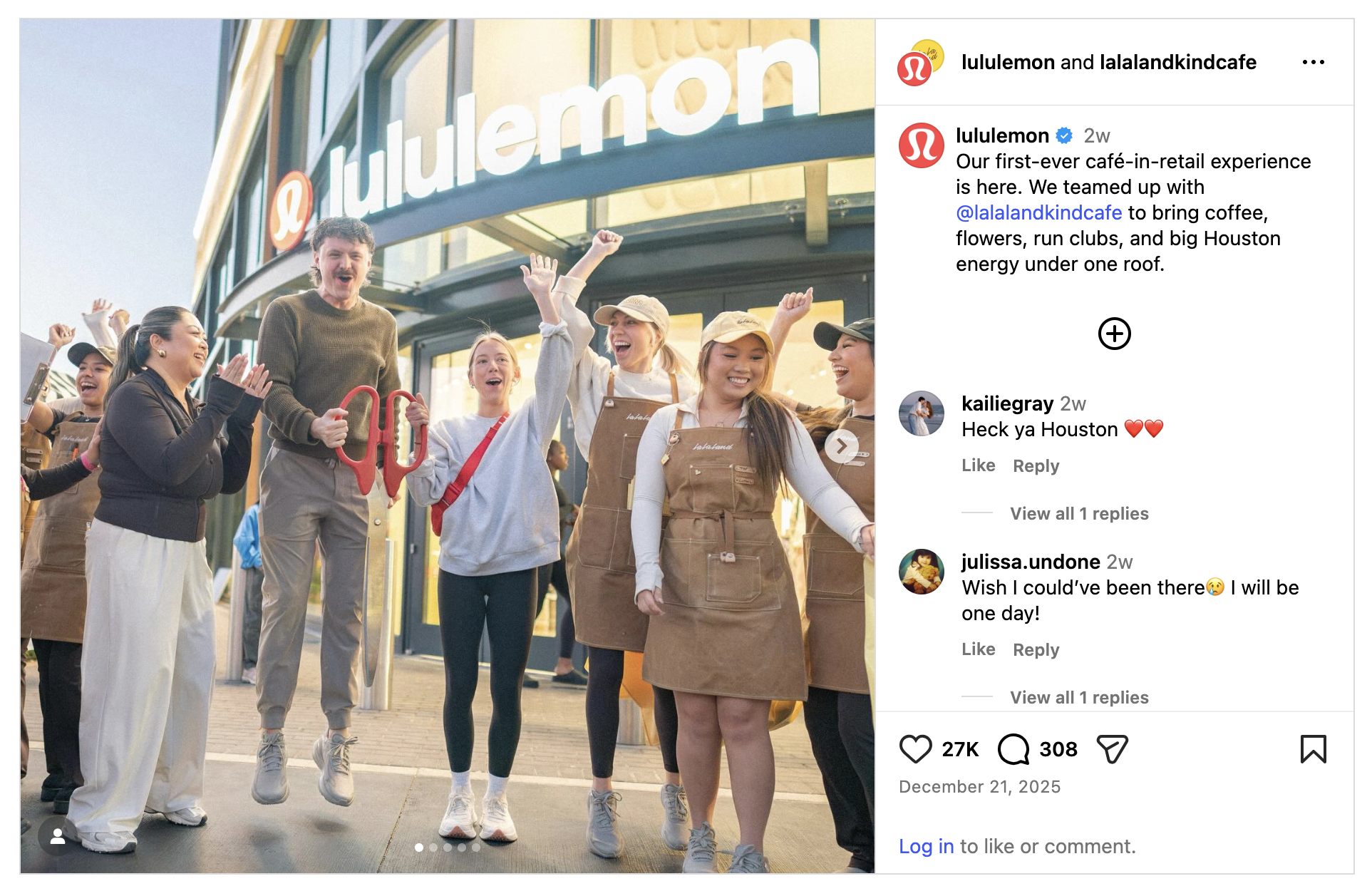


Lululemon’s Houston café-in-retail activation is a strong example of community-led marketing done right. By partnering with a cafe, the brand transformed its store into a local hub which blended coffee, flowers, run clubs, and events that reflect the city’s culture. Rather than focusing on a single promotional moment, the activation created space for connection, movement, and repeat visits, reinforcing Lululemon’s role as a lifestyle brand embedded in the community, not just a place to shop.
Big campaigns still have their place. However, in 2026, brands are shifting away from one-off moments and toward always-on brand systems.
Instead of reinventing the wheel each time, strong brands focus on consistency across visuals, messaging, tone, and experience.
Why this matters:
Consistency builds recognition. Over time, recognition builds trust. And trust drives long-term growth.
What to focus on:
Marketing in 2026 isn’t about chasing every new trend. Instead, it’s about making intentional choices that align with your brand, audience, and long-term goals.
At BOWO Creative Agency, we believe great marketing starts with strategy, not hype. If you’re ready to adapt, evolve, and lead in 2026, now is the time to build smarter, stronger marketing foundations.
Subscribe to our list to get fresh & monthly updates on marketing, business hacks & social media tips for your brands!
| Cookie | Duration | Description |
|---|---|---|
| cookielawinfo-checkbox-analytics | 11 months | This cookie is set by GDPR Cookie Consent plugin. The cookie is used to store the user consent for the cookies in the category "Analytics". |
| cookielawinfo-checkbox-functional | 11 months | The cookie is set by GDPR cookie consent to record the user consent for the cookies in the category "Functional". |
| cookielawinfo-checkbox-necessary | 11 months | This cookie is set by GDPR Cookie Consent plugin. The cookies is used to store the user consent for the cookies in the category "Necessary". |
| cookielawinfo-checkbox-others | 11 months | This cookie is set by GDPR Cookie Consent plugin. The cookie is used to store the user consent for the cookies in the category "Other. |
| cookielawinfo-checkbox-performance | 11 months | This cookie is set by GDPR Cookie Consent plugin. The cookie is used to store the user consent for the cookies in the category "Performance". |
| viewed_cookie_policy | 11 months | The cookie is set by the GDPR Cookie Consent plugin and is used to store whether or not user has consented to the use of cookies. It does not store any personal data. |

Stop chasing keywords and start building topical authority. Learn how to position your brand to be the primary source for AI-generated answers.